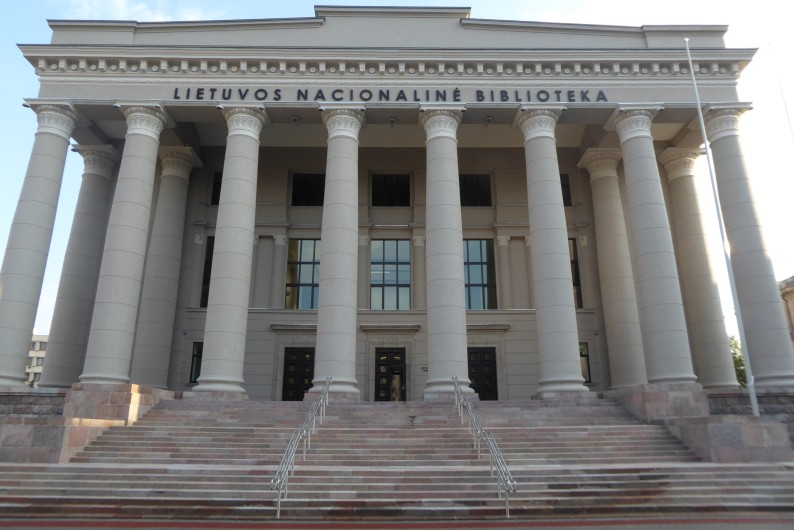
The Baltic Way demonstrated what unity among people can achieve in the pursuit of freedom. Today, the national libraries of the Baltic states help to preserve what millions of people joined hands for back then – a shared memory, cultural identity and trust in information. This is one of the most important missions of national libraries today.
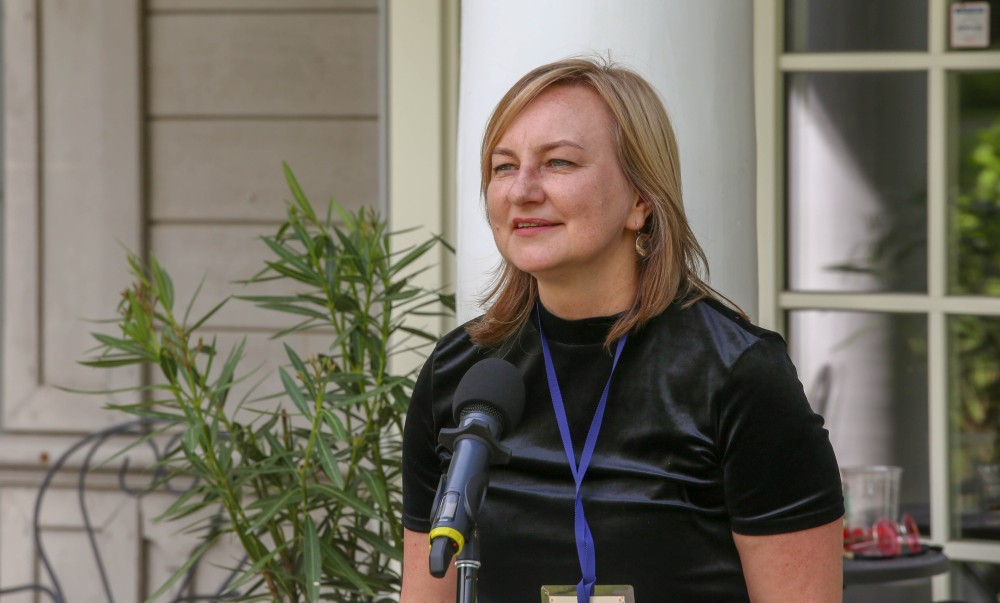
“The Baltic Way reminds us that freedom requires more than just an independent state. It requires people who know their history, are able to discern accurate information and understand what can be trusted. The national libraries of the Baltic states safeguard this foundation, and by working together, they help to strengthen the resilience of the entire region”, said Aušrinė Žilinskienė, Director of the Martynas Mažvydas National Library of Lithuania.
Memory under attack
In the vast flow of information we encounter every day, facts, opinions, misleading narratives and content generated by artificial intelligence become intertwined.
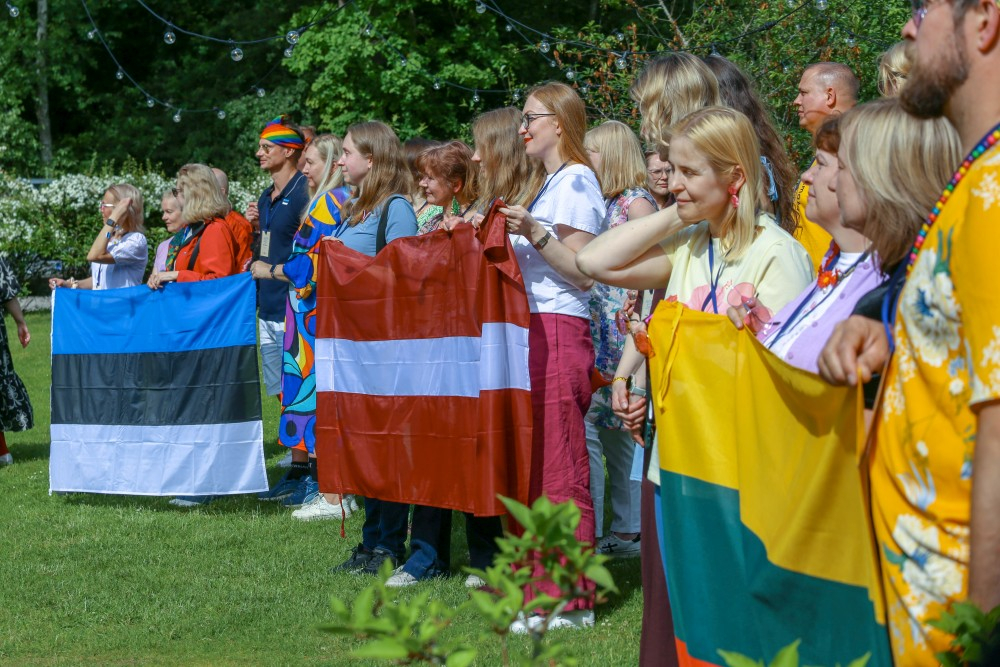
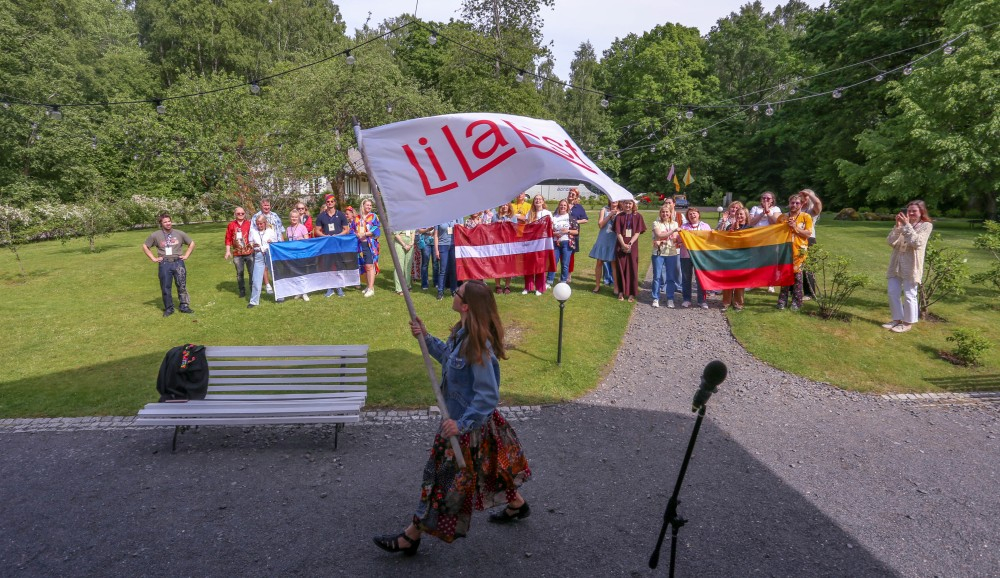
For this reason, at the ‘LiLaEst 2026’ forum of the Baltic national libraries – now in its sixth decade – the focus this summer was on the themes of heritage and identity, which are particularly important in today’s geopolitical context.
At this year’s National Libraries Forum, cultural historian Assoc. Prof. Dr Aurimas Švedas pointed out that, due to our constant rush and focus on the present, it is becoming increasingly difficult to understand how the past, present and future are interconnected. History, memory and heritage are increasingly being used as tools of politics and even business. Past events are selected, rewritten or interpreted according to today’s interests.
Even an authentic historical document can become a means of manipulation if the circumstances of its origin are omitted or if it is presented without explaining its connection to other sources. Thus, instead of historical context, the public is offered simplified answers, creating more scope for manipulation.
Authentic records of the nation’s memory, held in national libraries, help to distinguish a fact-based narrative from manipulation.
Libraries provide context
National libraries collect, preserve, research and digitise the nation’s documentary heritage: manuscripts, publications, old press, archives and other authentic historical sources.
According to Dr Jolanta Budriūnienė, Director of the Documentary Heritage Research Department at the National Library, a document or historical artefact does not create meaning in and of itself. That is why libraries organise exhibitions, create displays, publications, films, educational programmes and digital narratives that help to explain the origin of a source, the circumstances of its creation and its connection to other documents.
In this way, people can see the broader historical context and evaluate information critically.
Freedom requires resilience
Cooperation between the national libraries of the Baltic states is not merely a professional dialogue. It is a joint effort to strengthen the region’s resilience – by safeguarding cultural memory, national identity and society’s ability to remain free in the face of information manipulation.
National libraries do not merely preserve heritage. They also foster information literacy, helping people to navigate an ever-changing information environment.
This issue is not a concern exclusive to the Baltic states. At the International Federation of Library Associations and Institutions (IFLA) Congress held in South Korea this summer, considerable attention was paid to the reliability of information and the impact of artificial intelligence. In discussions among the heads of national libraries, the recurring theme was that whilst technology can help people access information more quickly, it does not replace the need for reliable sources and the ability to use them effectively. Libraries are increasingly described as ‘guardians of trust’.
A nation’s freedom lies in the decisions of each individual
In 1989, the Baltic nations joined hands to defend their right to determine their own future. Today, this right begins with the ability to understand one’s own history, to distinguish facts from manipulation, and to preserve a shared cultural memory.
Freedom is created by every individual – through the decisions they make today and through the stories they pass on to the next generation. Libraries become a connecting link in the dialogue between the past, the present and the future. Therefore, caring for our cultural memory is, at the same time, caring for the future we will shape tomorrow.